Dental Health

Good dental health

For good dental health, you need to look after your teeth. Dental diseases such as tooth decay and dental erosion are very common health problems in Australia, but they are largely preventable!
 
The single most important factor in helping to fight tooth decay (also called dental caries) has been the addition of fluoride to the water supply. But dentists say that there is much more to good dental health than fluoride, tooth brushing and filling cavities (holes). Good nutrition and eating habits also play a key role in preventing tooth decay and dental erosion.
 

What is tooth decay?

Tooth decay results in holes in the tooth enamel (the protective surface of your teeth). Plaque is a sticky film of bacteria and sugars that constantly forms on our teeth.
 
The bacteria in plaque use sugars in food and drinks to produce acid. This acid dissolves the tooth’s strengthening minerals (calcium and phosphate) from the tooth surface. Saliva is the body’s natural defence against dental caries. It helps wash sugars from the mouth and reduces the effect of the acid produced by the plaque bacteria. The calcium and phosphate present in saliva also help to replace the minerals on the surface of your teeth. But if ‘acid attacks’ occur too often, your saliva won’t have enough time to repair the damage done, and a hole will eventually develop in the tooth.
Dental Health O D H E A L T H & N U T R I T I O N

Food and tooth decay

Our eating and drinking habits play an important role in the development and prevention of tooth decay. With sugary food and drinks, it’s how much we consume, as well as how often, that affects the development of tooth decay. The physical form of the sugar is also important.
 
Solid foods are cleared from the mouth more slowly than liquid, giving the plaque more time to produce acid. Sticky foods are particularly bad as they tend to stay in close contact with teeth much longer.
 
Other carbohydrate-containing foods such as rice, potatoes, bread and fresh fruit are unlikely to cause tooth decay. Dairy foods, particularly cheese, actually help prevent tooth decay.
 

What is dental erosion?

Dental erosion is the gradual wearing away of the hard surface of teeth, which can result in increased sensitivity to temperature. Dental erosion may be caused by exposure to acids, for example, in acidic drinks such as soft drinks or fruit juices.
 

Dairy and dental healt

As one of the core food groups, dairy foods are important for good nutrition during childhood and adulthood. Dairy foods such as milk, cheese and yogurt provide at least 10 essential nutrients, including:
  • protein;
  • carbohydrate;
  • vitamins (A, B12, and riboflavin); and
  • minerals (calcium, phosphorus, magnesium, potassium and zinc).
In addition, dairy foods have a specific role to play in dental health. Research has shown that milk and cheese can help prevent tooth decay. Dairy foods contain special anti-decay nutrients such as casein, calcium and phosphorus.
 
Casein is a protein found in dairy foods. When combined with calcium and phosphorus, casein creates a protective protein film over the enamel surface of the tooth, reducing the risk of tooth decay. The tooth strengthening minerals, calcium and phosphorus, found in dairy foods, also help repair teeth after acid attacks.
 
Three serves of dairy foods every day, such as milk, cheese and yogurt, provide important nutrients that your body needs for health and wellbeing. The unique package of nutrients in dairy foods can also help protect against dental decay and erosion.
 

What about flavoured milk?

Flavoured milk is thought to be more tooth friendly than many sweetened beverages (e.g. cordial and soft drink) and some fruit juices (e.g. orange, grapefruit and pineapple juice) because flavoured milk is not acidic and contains casein, calcium and phosphorus. All milks (both flavoured and unflavoured) contain about 5% sugar from the naturally occurring carbohydrate, lactose. Lactose has a low cariogenicity compared to other sugars, which means it has little or no contribution to tooth decay. The added sugar in flavoured milks can vary across brands. All artificially sweetened flavoured milks contain no added sugar.

Tips to help prevent dental disease

Looking after your teeth is a lifelong commitment. The following tips will help keep your teeth in tip-top condition:
  • Choose tooth friendly foods and drinks such as milk, cheese or fresh fruit;
  • Rinse your mouth with water after eating a sugary or acidic food or drink;
  • Eat some cheese after sugary foods or drinks – it will help neutralise the acid produced by the plaque bacteria;
  • Chew sugarless gum to promote saliva production;
  • Go easy on very sweet and sticky foods;
  • Avoid frequent sipping of sugary, acidic drinks (e.g. soft drinks, cordials, juice and sports drinks). Where possible, drink them through a straw to lessen contact with teeth;
  • Young children should not be given sweetened beverages by bottle – this can increase the likelihood of tooth decay. If required, water should be given in the bottle between regular infant formula feeds;
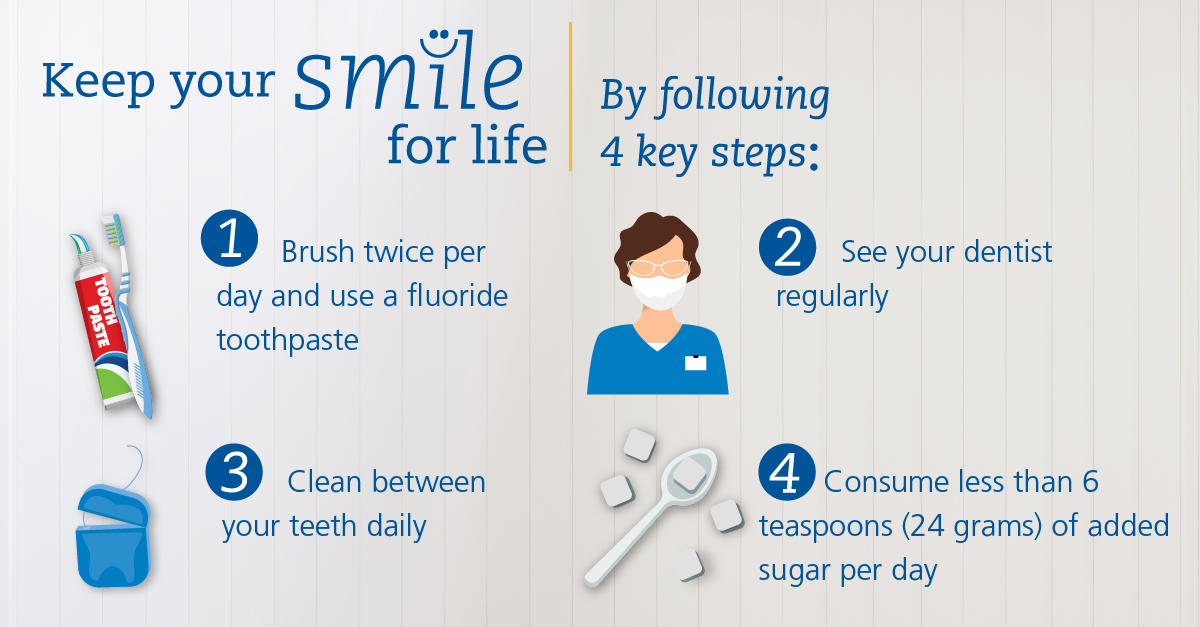
  • Floss and brush regularly after meals with a toothpaste containing fluoride;
  • See a dentist regularly.
And consume 3 serves of dairy foods every day to obtain the unique package of 10 essential nutrients dairy foods provide and help keep your teeth healthy.
 
Nutrition Australia would like to acknowledge Dairy Australia as the original author of this resource.
 
Published: April 2009

AttachmentSize
Dental Health_Printable PDF.pdf195.3 KB